ohhey.gay

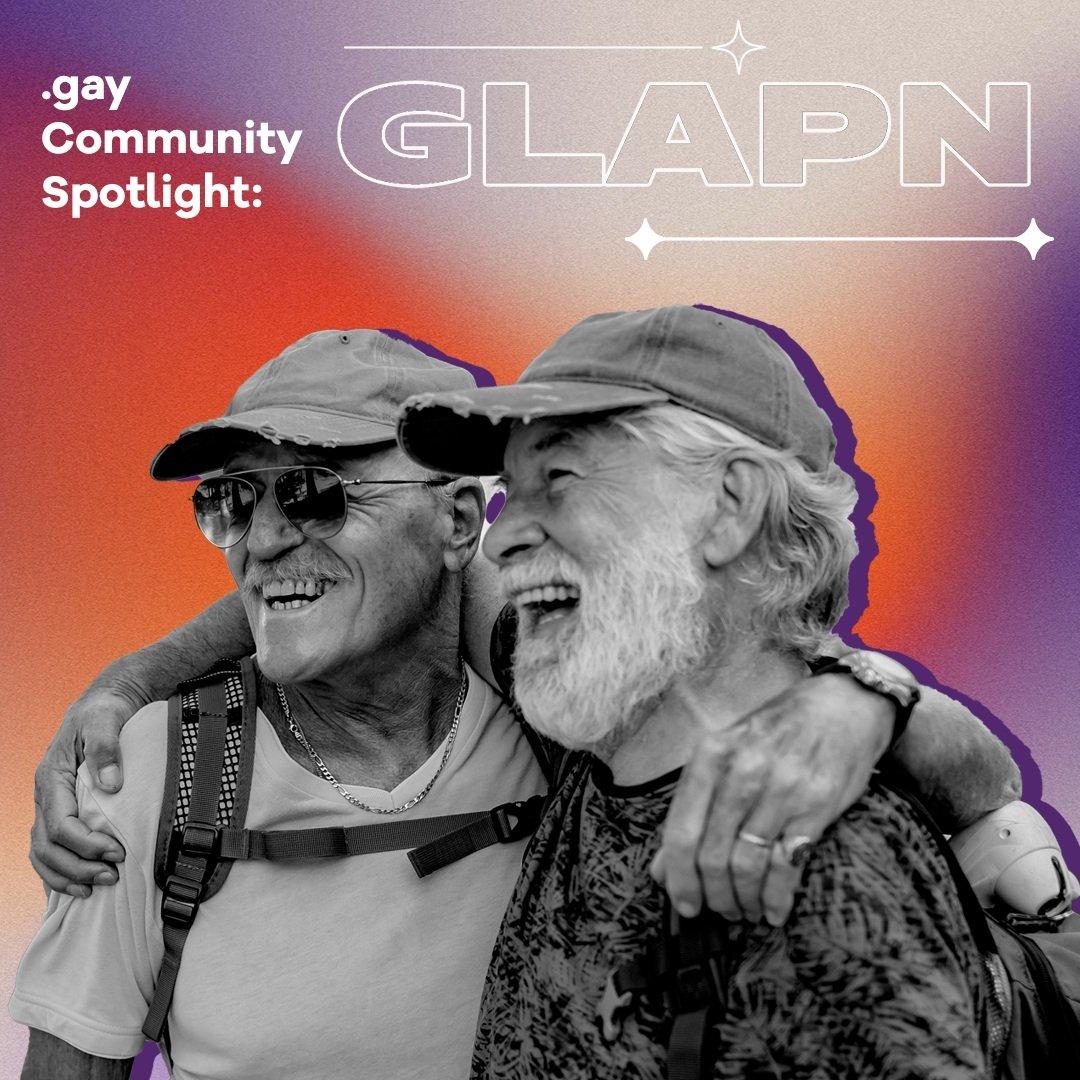
.gay Community Spotlight on The Gay and Lesbian Archives of the Pacific Northwest (GLAPN)

  • Liz Achanta
  • December 20, 2022
  • 6 min. to read
.gay Community Spotlight on The Gay and Lesbian Archives of the Pacific Northwest (GLAPN)

This week, we chatted with The Gay and Lesbian Archives of the Pacific Northwest (GLAPN), an Oregon-based nonprofit dedicated to uncovering the history of sexual minorities in the Pacific Northwest.

Learn more about the stories of queer folks in the PNW and what GLAPN is doing to preserve them.

How would you describe your organization’s mission? 

GLAPN's mission is to record, collect, preserve, and share  information about the LGBTQ2SIA+ community in Oregon.

Tell us about how that mission is brought to life through your work?

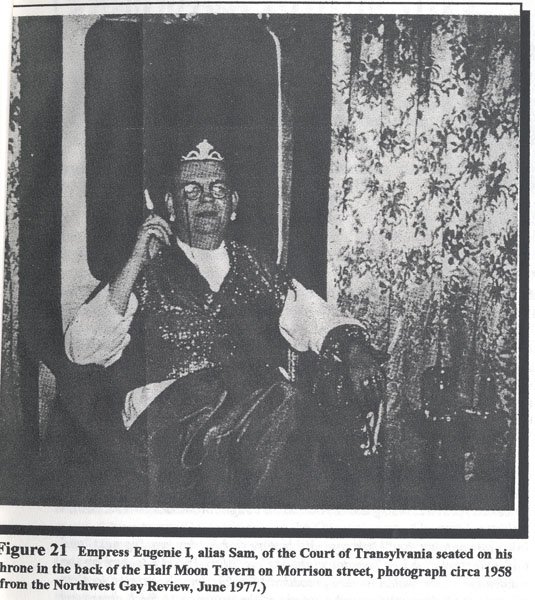
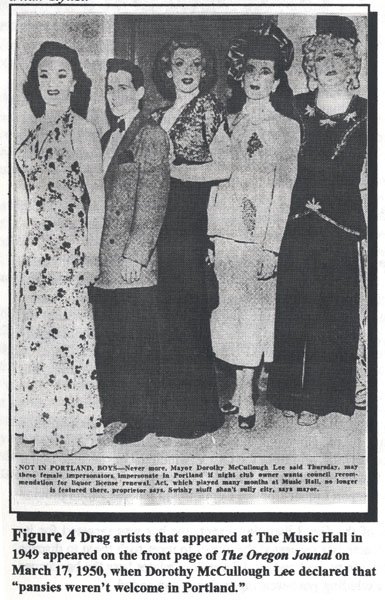
We collect ephemera, personal and organizational papers, event programs, photos, publications – anything LGBTQIA+ related that made it onto paper – and preserve the items in archival settings for scholarship. Each year as part of our celebration of Pride, we announce a Queer Hero for each day in June, the only qualification being that they made history – or are currently making history – in our community. For more than 20 years, we have taught a class in local LGBTQ2SIA+ history in Portland State's University Studies program. We lend display materials, and we're available to speak for schools and community groups. We maintain a website where we publish original scholarship, and, post-COVID, we are reviving the George T. Nicola Fellowship, which offers financial support for archival research on LGBTQ2SIA+ subjects. Most recently, we launched a cross-community observance of the 30th anniversary of the anti-gay Oregon Citizens Alliance Ballot Measure 9, which would have inserted anti-gay language in the state's constitution. There were three large programs in 2022; we anticipate two more in early 2023. And we attend as many community Pride celebrations as we can each year.

What would happen if your organization suddenly did not exist?

We're getting about 5,000 hits per month on GLAPN’s site, and on average visitors look at three pages once they land, so I imagine folks would miss the website first.  I'm told that our collections at Oregon Historical Society and Portland State University's Special Collections Library get relatively constant use. Given the citations I see locally, and the requests I see on GLAPN's email, people rely on our website for information about the community. Beyond that, there would be a gradual fadeout as advocacy went away and no one could recall the battles fought and won or lost in the past.

What can people do to get involved and help make sure that never happens?

I urge people interested in local history to join GLAPN and start attending our monthly (virtual, first Thursday, 7:00-9:00PM) meetings to get an idea what we're doing, and how they might fit in, and what they might do. We're never finished documenting our community's history. We would like to hear from more women; we have never fully explored the subject of LGBTQ2SIA+ people in the corporate workforce; we don't know much about queer folk in the labor movement; and a lot of the BIPOC organizations aren't in the historical record at all. We're getting a lot of digital material now, and we need help curating, preserving and sharing that material. And now that it's possible to do good video with only a phone, we're hoping to increase our collection of video oral histories. We're also available to supervise school projects or internships when it's possible to arrange them. There's plenty to do, if we have folks to do it.

Why does LGBTQIA+ visibility matter to you?

Visibility matters personally because I do better – and I have more to offer – if I don't need to hide. That can extrapolate to the community at large: LGBTQ2SIA+ people are an authentic part of our culture, and always have made major contributions. Where GLAPN is concerned, I do what I do partly to reassure queer folk that they have a history they deserve to be proud of, and the other part of what I do is to educate the straight world about the fact that we're here, we have always been here, and we deserve to be recognized.

In your own words, what does “LGBTQIA+ safety and support” mean specifically?

"Safety" means we're not going to be physically or emotionally attacked simply for being who we are, as long as we're doing no harm. "Support"  means the personal – and sometimes material – help we need to grow into ourselves. For the straight community, it means a little more than simply being tolerant; for the LGBTQIA+ community it means giving up gatekeeping and backbiting, and helping with growth and change in any way we can.  

Who are some of your LGBTQIA+ heroes?

In general, my heroes are the ones who came out earliest, when there was most to lose. I also appreciate those who settled into a life of advocacy, and endured the grind, over decades. But I also really like the small-town folks, the PFLAG parents and members of the Trans community in particular, who have endured in places where there's nowhere to hide.

If you could give LGBTQIA+ youth one message, what would it be?

For youth, LGBTQIA+ or straight, the pressure through high school is standardization, socially and in terms of education. If you're somewhere in the queer rainbow, you already know you're non-standard. Cherish that part of you, but take care of it. You're in the best position to know if, when, or how much it's safe to come out. As you grow older, you'll have some choices about where you live, where you work, and whom you associate with that you do not have in the general population of a high school. For those reasons alone, things will get better. 

Tell us about a time when you felt like the work you do at your organization really mattered or made a difference for the communities you serve?

I remember putting up our first edition of Queer Heroes in the gallery at Q Center. I'm a little bit jaded about bylines, photo credits, and displays in general, but I was unaccountably proud of those 30 posters and what they stood for. I don't think I understood what it was going to mean to other people until I saw how many people cried at that exhibit – and eleven years later, it still happens. 

Anything else you would like to share with the .gay audience? 

The political climate is growing worse by the day for LGBTQIA+ folks. Conservatives as usual have nothing to offer but attacks; and they are shrewd enough to (mostly) attack those who have no constituency and don't vote, so they're beating up on Transgender youth. The attacks are 90% lies. Don't believe them. Be true to yourself, be safe, look around your community for support groups and take advantage of them – and register to vote!

Learn more about GLAPN’s work HERE.

Join thousands of organizations who have already registered their .gay domain names. Get yours FREE by clicking HERE.

Join the .gay community! Register your .gay domain for FREE:

Register Now!

Related Posts

Want to keep exploring topics? Check out the articles below

Queer Joy Isn’t a Trend: Why LGBTQIA+ Happiness is Revolutionary

  • Liz Achanta
  • August 1, 2026
  • 4 min. to read

Queer joy isn't just a hashtag or a rainbow-colored marketing campaign: it's a radical act of resistance against a world that has historically tried to erase, pathologize, and silence LGBTQIA+ people. In a society that often narrates Queer stories through the lens of tragedy, choosing joy is revolutionary. This blog post explores why celebrating Queer happiness matters, how it challenges oppressive systems, and why it's essential for creating a more inclusive future.

Digital Pride Year-Round: Creative Ways to Celebrate Outside of June

  • Liz Achanta
  • July 1, 2026
  • 6 min. to read

While Pride Month brings visibility and celebration to the LGBTQIA+ community with parades and events worldwide, authentic pride isn't limited to just 30 days a year. In our digital world, there are countless creative ways to celebrate, support, and express LGBTQIA+ pride every day of the year. This article explores how individuals can cultivate meaningful digital pride experiences that transcend the calendar and create lasting impact.