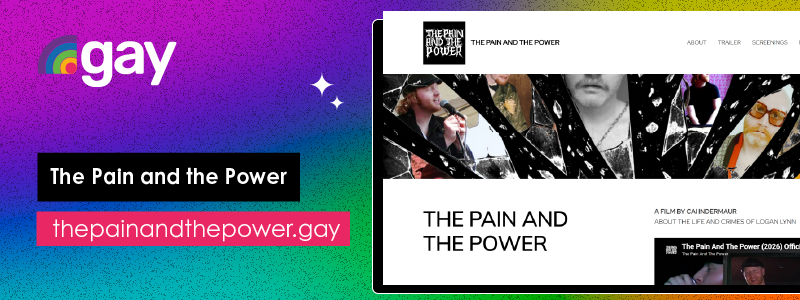
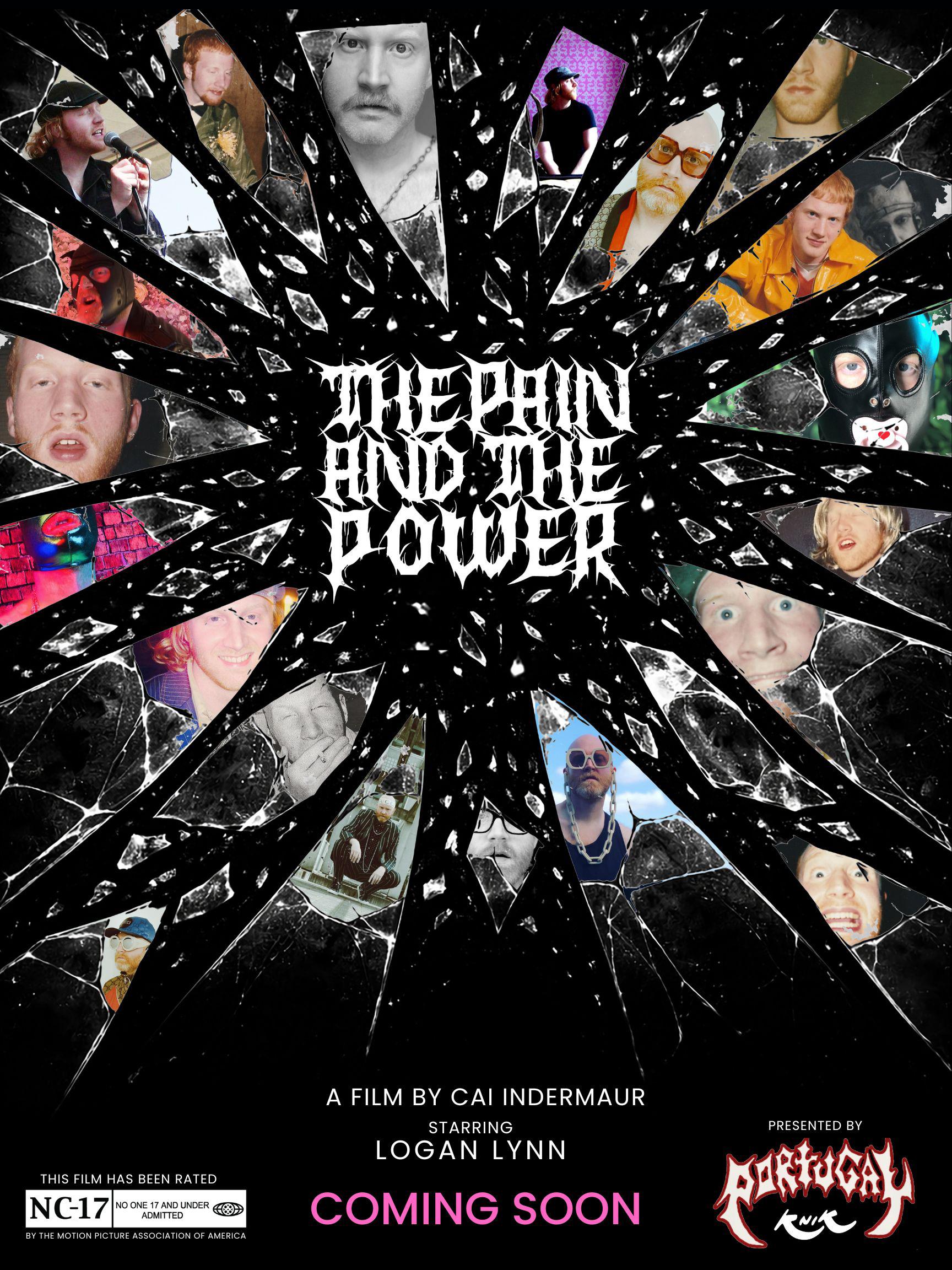
Logan Lynn’s new documentary, The Pain and the Power, transforms decades of music, addiction, recovery, activism, and personal struggle into a story of survival, authenticity, and hope.
By launching the documentary on a .gay domain, Lynn makes queer visibility part of the project’s digital identity, reinforcing his belief that intentional LGBTQIA+ spaces matter both online and in the real world.
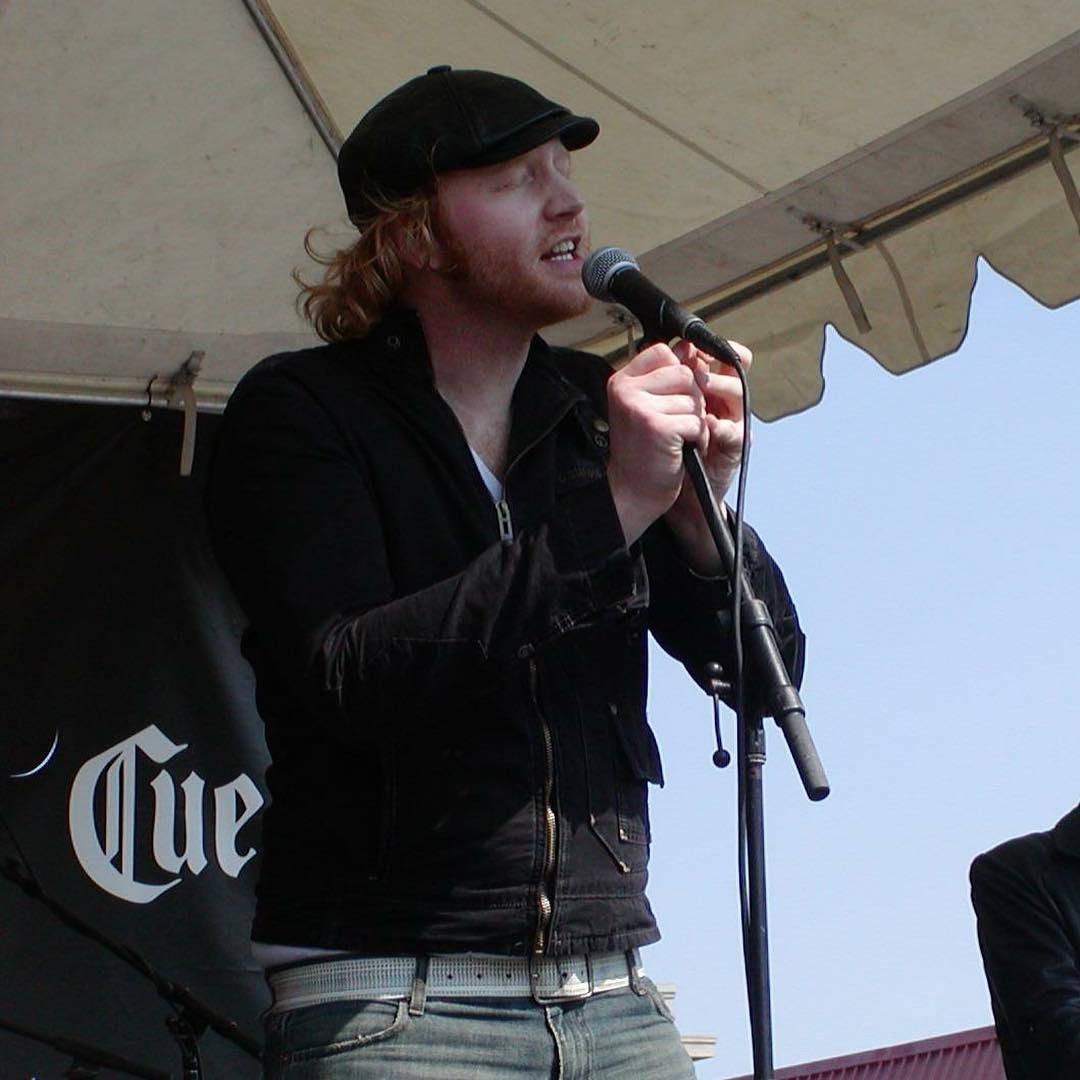
For nearly three decades, Logan Lynn has built a career rooted in radical transparency. The Portland-based musician, writer, filmmaker, and mental health advocate first emerged as a teenager, signing a record deal at just seventeen years old using songs he had written and recorded years earlier. Since then, Lynn has released a deep catalog of music spanning indie rock, synth-pop, and electronic influences while building a reputation for emotionally raw songwriting that explores identity, grief, addiction, love, recovery, and survival. Over the years, his work has connected him with artists including Portugal. The Man and The Dandy Warhols, while his music and creative work have appeared across television, film, fashion, and advocacy campaigns.
But Logan Lynn’s impact extends far beyond music. Throughout his career, he has become an outspoken advocate for LGBTQIA+ visibility, addiction recovery, suicide prevention, and mental health awareness — often using his own experiences to help others feel less alone. In an industry where image is often prioritized over authenticity, Lynn has consistently chosen visibility instead. Whether through activism, interviews, filmmaking, or songwriting, his work has long centered on telling difficult truths with compassion and vulnerability. That same openness now sits at the center of his latest project: The Pain and the Power.
Hosted at thepainandthepower.gay, the documentary revisits some of the hardest chapters of Lynn’s life publicly for the first time.
The film traces decades of his life and career: getting signed as a teenager, navigating addiction, surviving religious trauma, rebuilding after recovery, and continuing to create art while advocating for LGBTQIA+ communities. But despite the weight of those themes, the documentary is not just about suffering. It is about survival, honesty, and the possibility of building a life beyond pain.
“The film tells the story of my life, art, and career which includes a bunch of challenging years,” Lynn says, “particularly as a young, Queer person trying to find my way in my own life, but also as a public figure.”
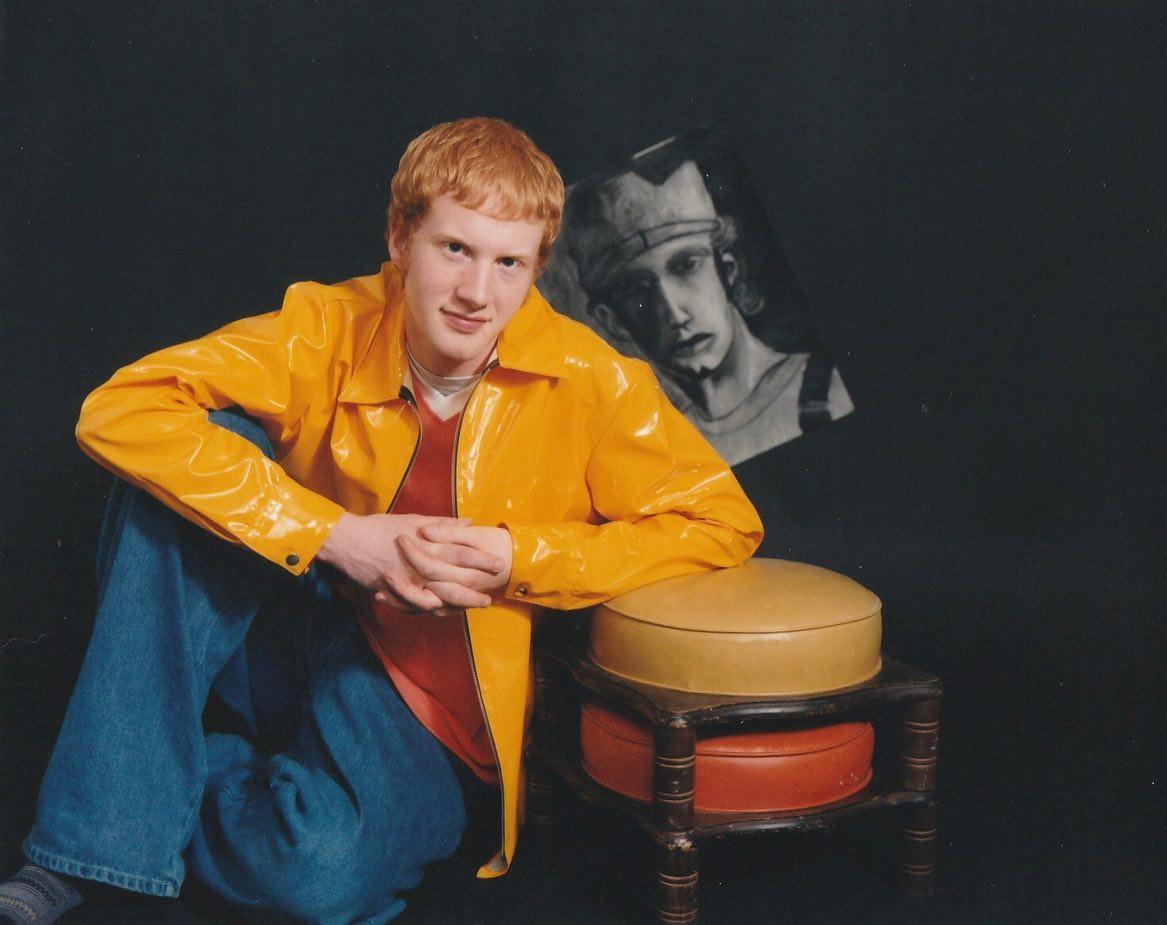
That visibility started early. Lynn was signed at just seventeen years old using songs he had written as a teenager. Looking back now, he says revisiting the story feels timely . . . not only because someone finally wanted to make the documentary, but because he has reached a point where he wants people to understand the full journey behind the work.
“As I approach the 30th anniversary of my first record, I do want people to understand what happened along the way at points,” he explains. “I have been documenting it all the whole time so there is SO much footage.”
For Lynn, the documentary also serves another purpose: giving shape to experiences that previously existed without a clear container.
“I have been in long term addiction recovery since 2008 but have never really told the story of why I was using way back then in the first place,” he says. “The whole thing has been cool in that there is a lot of stuff that just has never had a container. Now it does.”
Music remains central to that process. Throughout his career, songwriting has acted as documentation, therapy, connection, and survival all at once. For the documentary, Lynn even wrote a brand-new soundtrack album — continuing the same creative process that has carried him through decades of change.
“My songs have always just been a record of my existence and an opportunity for me to connect somehow,” he says.
That honesty extends beyond addiction and recovery. The film also explores Lynn’s experiences growing up in a religious environment hostile toward Queer identity — a reality that many LGBTQIA+ people still face today.
“I hope people who watch this film aren't experiencing what I experienced as a young person in an anti-gay church,” he says. “But if they are, I guess my hope is that they feel less alone and are potentially inspired to take some sort of brave action to get themselves and their loved ones to safety.”
Even after decades in the public eye, Lynn’s definition of success today is remarkably grounded.
“I've known success and failure intimately,” he says, “and I believe, at its core, success means I am in rooms with people I want to be in rooms with, doing work I want to be doing, and being known or celebrated for being myself vs. some projection. The rest is just noise.”
That perspective carries into his activism work as well. Lynn has spent years advocating for mental health awareness and LGBTQ+ visibility, and he sees no separation between activism and art.
“It is impossible to separate my activism and art,” he says. “It's a big Gay synonym.”
That same intentional visibility is also why he chose to launch the documentary using a .gay domain.
“This movie is about Queer visibility,” Lynn says. “No better way to signal we are out and proud, in my opinion.”
At a time when LGBTQIA+ communities continue to face political attacks, hostility online, and renewed threats to safety and visibility, Lynn believes intentional queer digital spaces matter more than ever.
“We are back in a spot where we have to fight for our lives, protect our loves, and show up for one another,” he says. “No one is coming to save us. We have always had to save ourselves, both online and in the streets.”
Still, beneath everything in The Pain and the Power – the trauma, the recovery, the activism, the music – there is ultimately a message of compassion. Especially toward the versions of ourselves that struggled to survive.
Looking back at himself during the height of addiction, Lynn pauses.
“I would love a time machine,” he says. “That dude needed a hug and a glass of water.”
Then he adds something that quietly captures the heart of the entire film:
“Everything I have done in the over eighteen years since starting down the path of recovery has been for him. For us.”
Join the .gay community! Register your .gay domain for FREE:
Money. Politics. Sex. The three things your mother told you never to discuss at the dinner table. One content creator has built an entire career on one of them — and he's not even a little bit sorry.
When Jesse Rudicil started RudicilAI Lab Inc in Los Angeles, he had a straightforward mission: “Be the leader in medical, legal, and cellular AI technology.” His goal is to explore how artificial intelligence could support advances in areas such as patient care, legal processes, and cellular research. It’s early-stage, ambitious work, and much of it sits at the intersection of fields that don’t always connect easily.
Language shapes our world. The words we choose can either build bridges or reinforce barriers, especially when it comes to gender identity and expression. If you've ever wondered why some people are so passionate about pronouns or why terms evolve within the LGBTQIA+ community, this guide is for you! Let's explore how inclusive language helps create spaces where everyone feels seen, respected, and valued.

 Elizabeth Achanta